
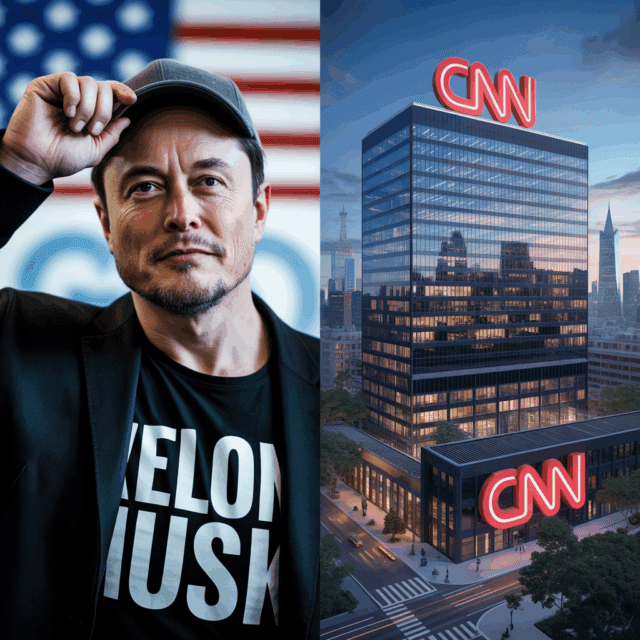
Elon Musk is reportedly exploring a $150 billion acquisition of CNN and Warner Bros, according to individuals familiar with early-stage discussions, in what could become the most disruptive media deal in modern history.
The conversations, described as informal and exploratory, are said to reflect Musk’s growing belief that legacy media requires structural reform rather than incremental change. Sources close to the matter say Musk views the combined news-and-entertainment giant as a rare opportunity to “rebuild trust at scale” by rethinking how information is produced, distributed, and monetized.
Under the scenario being discussed, CNN would not be dismantled but reengineered. Internal proposals allegedly include publishing source data alongside major stories, expanding long-form live debates, and introducing clearer distinctions between reporting and commentary. One person familiar with the thinking said Musk believes modern audiences “no longer trust narratives, only receipts.”
Warner Bros would remain focused on entertainment but could see notable shifts in creative strategy. Rather than chasing blockbuster formulas, the studio may lean into experimental formats, mid-budget films, and technology-assisted production workflows. Artificial intelligence tools, real-time audience analytics, and rapid testing models could play a larger role in determining which projects move forward.
The idea has already triggered unease across the media industry. Critics warn that a Musk-led media empire could blur the line between journalism, technology platforms, and personal influence. Supporters counter that the current model is already broken, pointing to declining ratings, shrinking theatrical returns, and rising public skepticism toward institutional media.
From a financial standpoint, analysts remain divided. Some view the price tag as unrealistic given current market conditions and regulatory scrutiny. Others note that Musk has previously pursued acquisitions many initially dismissed as improbable, only to reshape the industries involved through aggressive restructuring and direct-to-consumer strategies.
Public reaction has been predictably polarized. Online supporters praise the idea as a long-overdue disruption to what they describe as an insular media ecosystem. Detractors argue it risks replacing one perceived bias with another—just packaged as innovation.
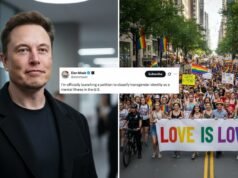
Musk has not formally commented on the reports. When a social media user asked whether he was “buying CNN next,” Musk replied with a single word: “Thinking.”
Within minutes, it was trending.